Turning Saving into a Goal Driven Experience with Qitta Saving Plan by Bank BRI
A goal based saving feature designed to simplify financial planning & encourage consistent saving through an intuitive and engaging digital experience.
Aleph Labs Indonesia
Bank BRI Indonesia
UI/UX Designer
Timeline
June - September 2025
Mobile App
Upcoming
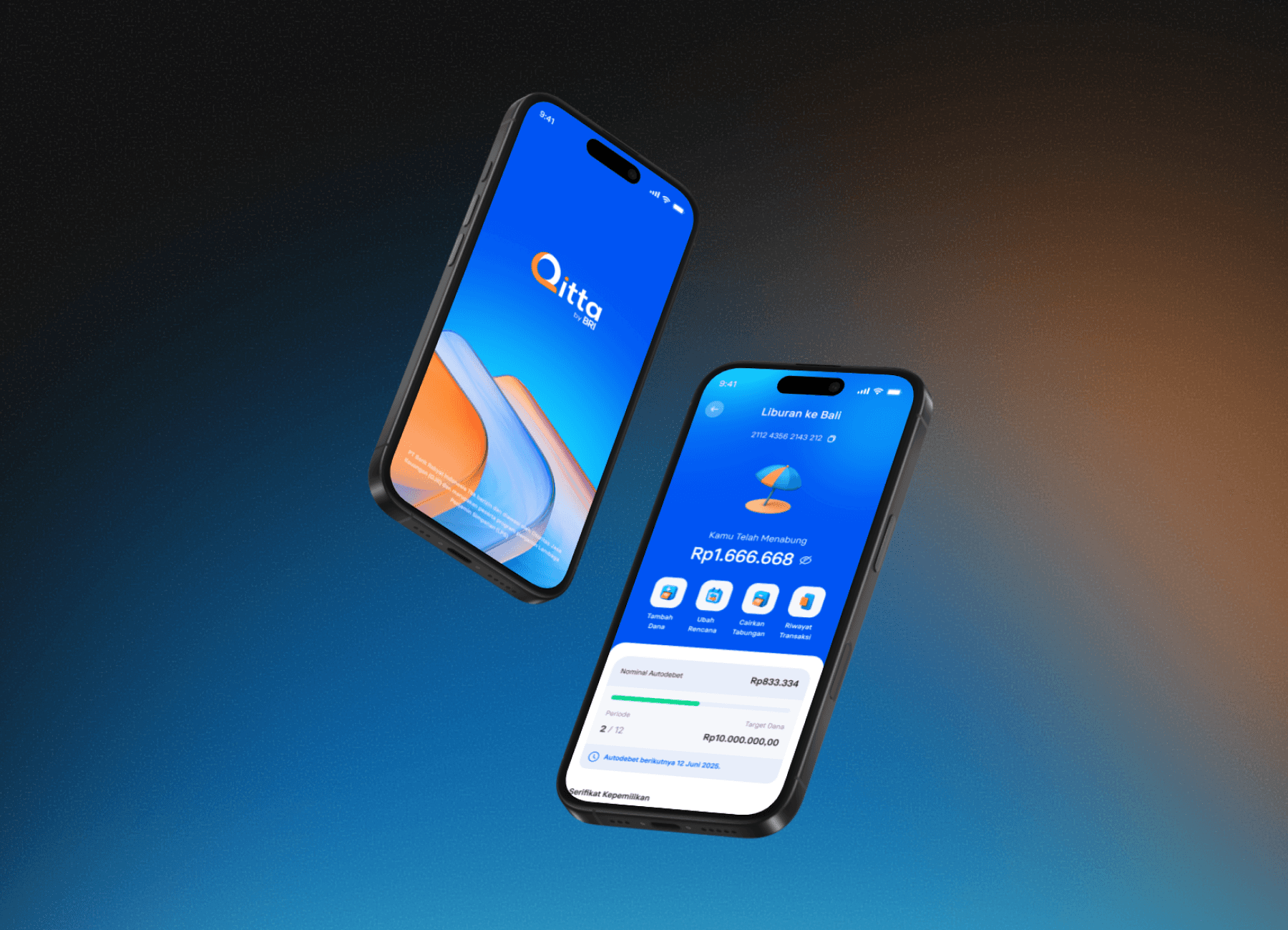
About Qitta
Qitta is a digital banking platform developed by BRI that integrated with BRI Banking System and multiple financial services into one seamless application. Designed with a modern and stylish interface, Qitta simplifies everyday banking while providing secure, fast, and user-friendly access within a single ecosystem.
Project Background
As financial awareness grows, users increasingly seek structured ways to achieve their life goals from education and travel to home ownership and retirement. However, traditional saving methods often feel passive, unstructured, and lack clear progress visibility.
To address this shift, Qitta by BRI introduced
Saving Plan, a goal-based saving feature with automated recurring deposits. Unlike conventional savings, this feature transforms saving into an active and guided financial journey. Users can define specific goals, set timelines, and allocate funds systematically.
Challenges
From a UI/UX perspective, the challenge was to design a saving experience that:
Encourages consistent saving behavior
Simplifies financial planning
Motivates users through clear progress visualization
Feels modern, personal, and engaging
Integrates seamlessly within the Qitta ecosystem
UX Goals
Encourage Consistent Saving Behavior: Support habit formation through automation and feedback.
Simplify Financial Planning: Break complex financial processes into guided, easy steps.
Deliver a Personalized Experience: Allow users to customize goals, timeline, and saving amount.
Role & Responsibility
In this project, I worked as a UI/UX Designer at Aleph to design an experience that is intuitive, motivating, and visually engaging especially for teenage users who need clarity and encouragement to build consistent saving habits.
Defined UX goals and design principles
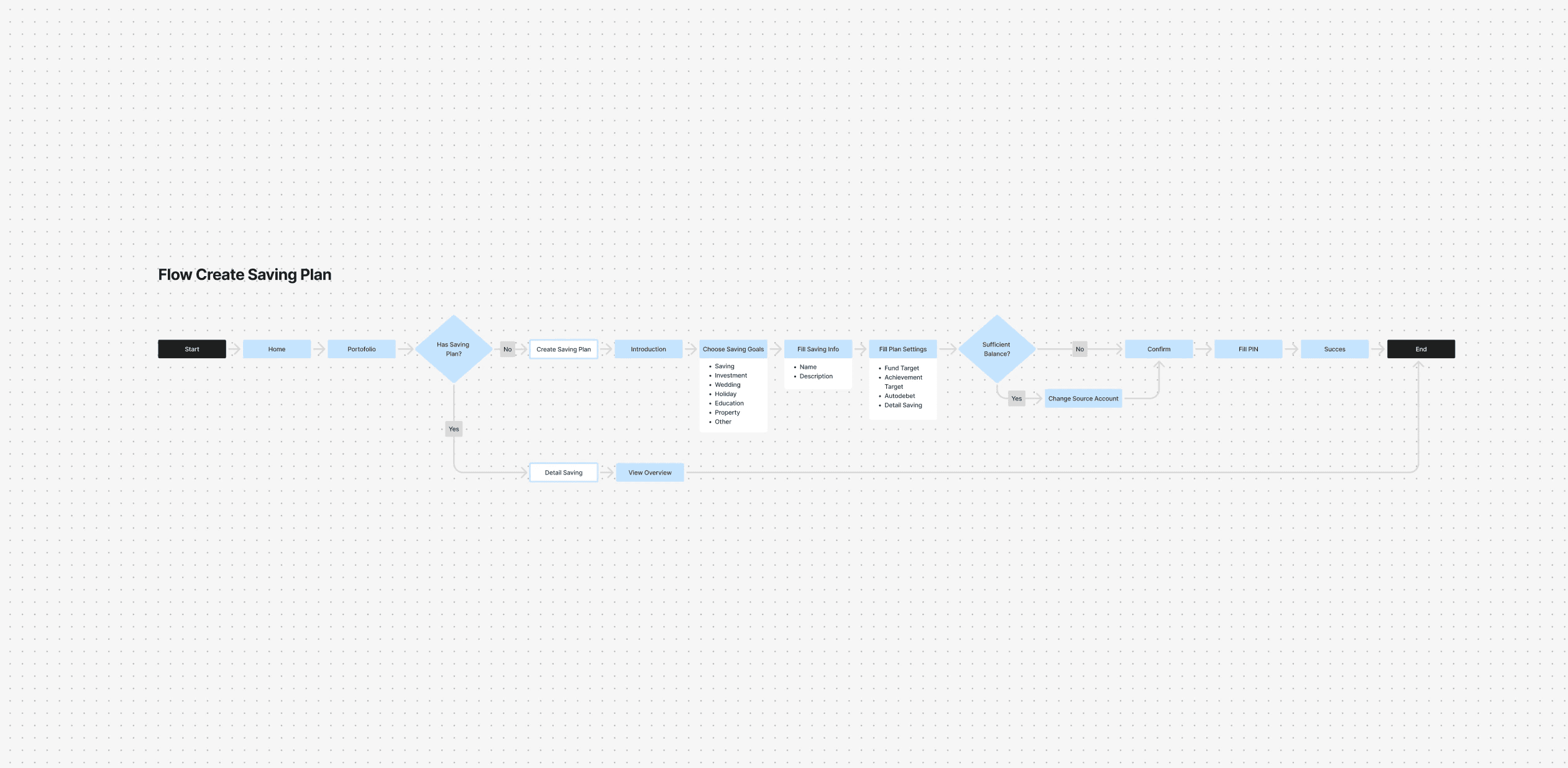
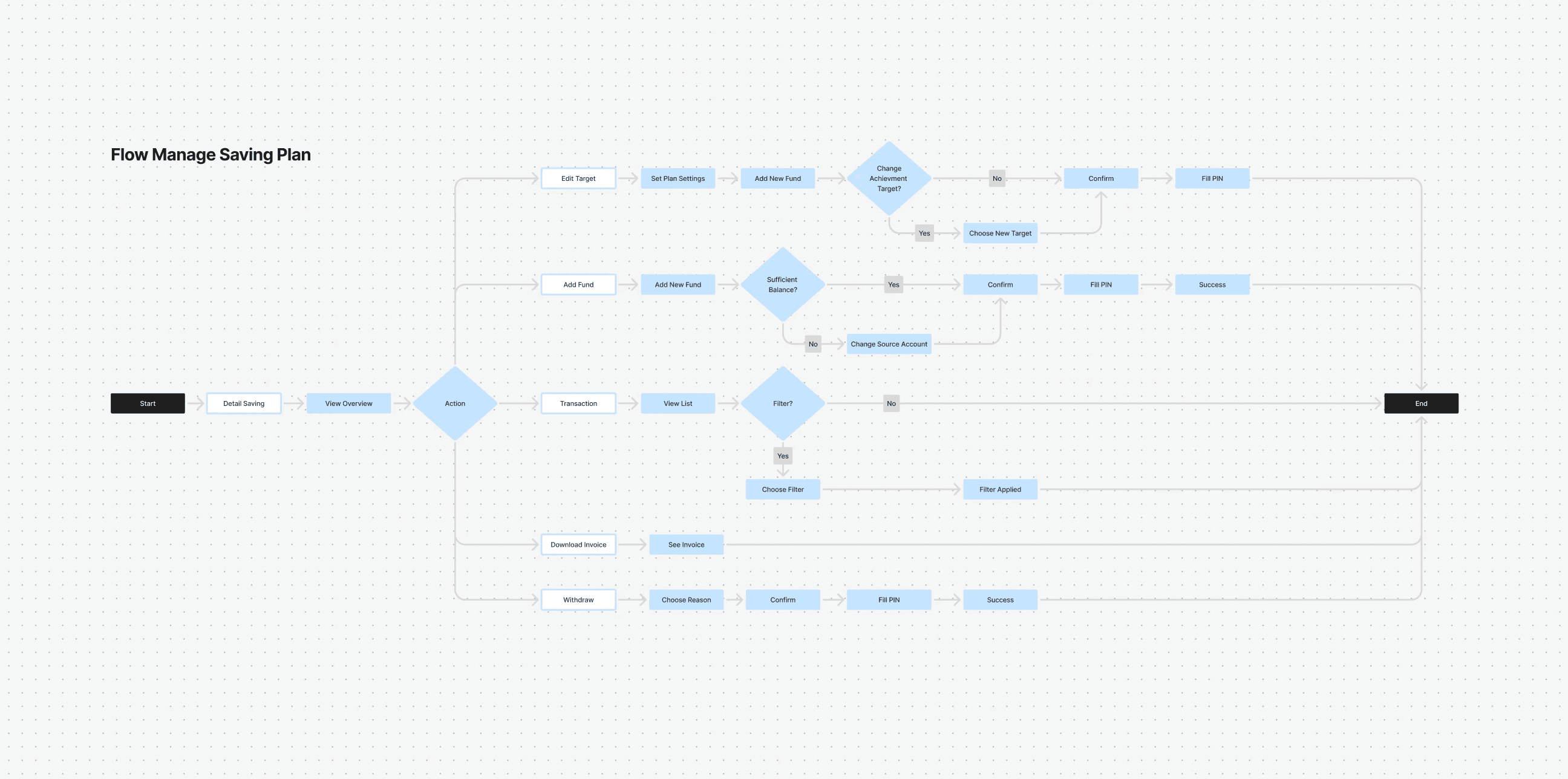
Designed end-to-end user flows (goal setup, auto-debit, tracking)
Created high-fidelity designs
Developed progress visualization concepts
Collaborated with researchers, QA, and cross-functional teams
Presented final designs to stakeholders
Constrains
his project involved a large design team (approximately 20+ designers working on Qitta). Managing consistency and alignment across multiple contributors became a key challenge.
To address this:
We established a shared design system before execution
Conducted daily alignment meetings
Maintained open discussions to unify different design perspectives
Ensured consistency across components and user experience
Research & Finding
Competitive Benchmarking
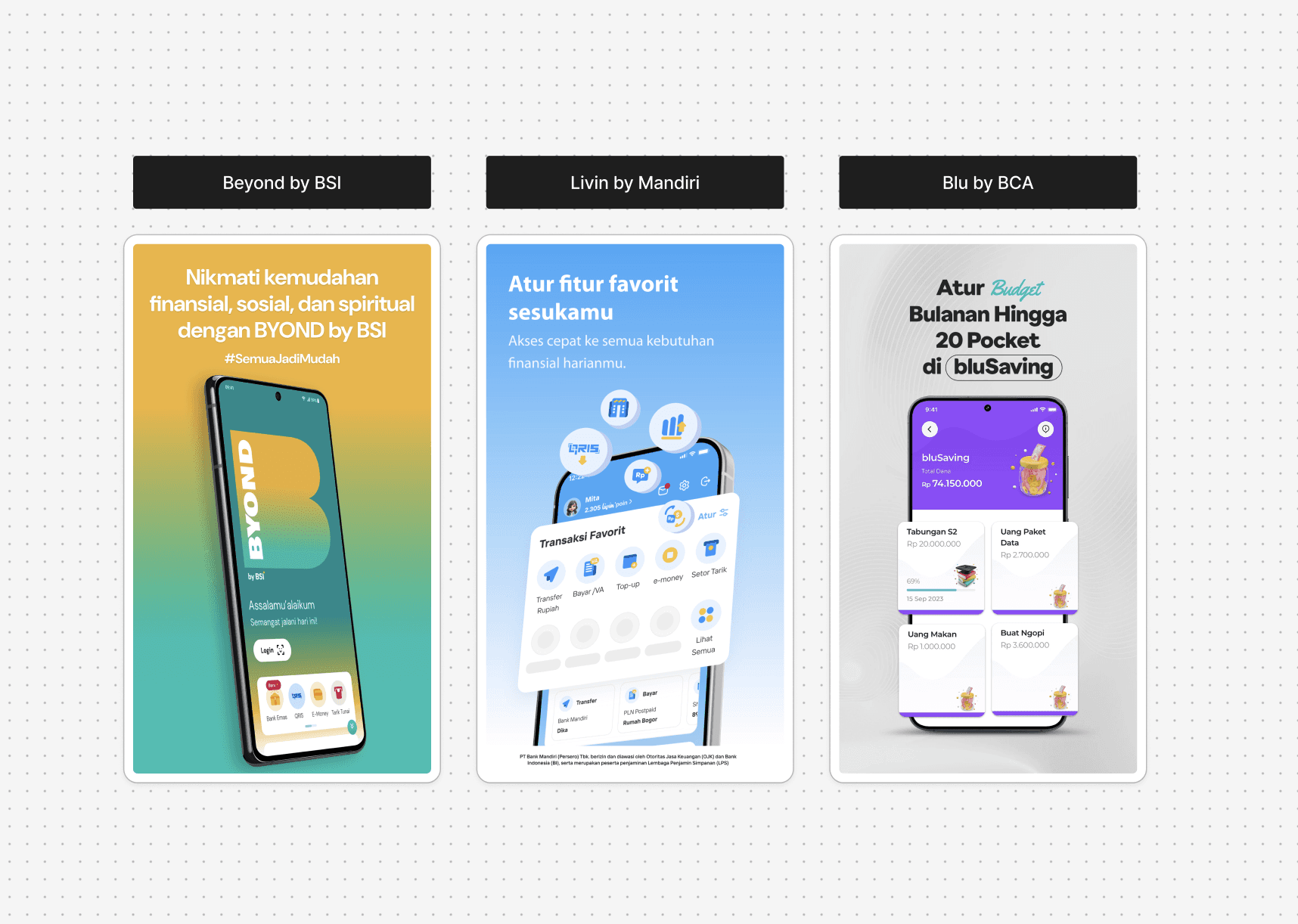
To inform design decisions to align with Qitta goals, I analyzed similar digital banking platforms:
Beyond by BSI: Strong Islamic banking identity, structured saving options
Livin’ by Mandiri: Comprehensive banking ecosystem, complex UI but powerful features
Blu by BCA: Clean interface, strong goal-based saving experience
Key insights:
Clear progress visualization improves motivation
Simple onboarding increases feature adoption
Personalization enhances user engagement
SWOT Analysis
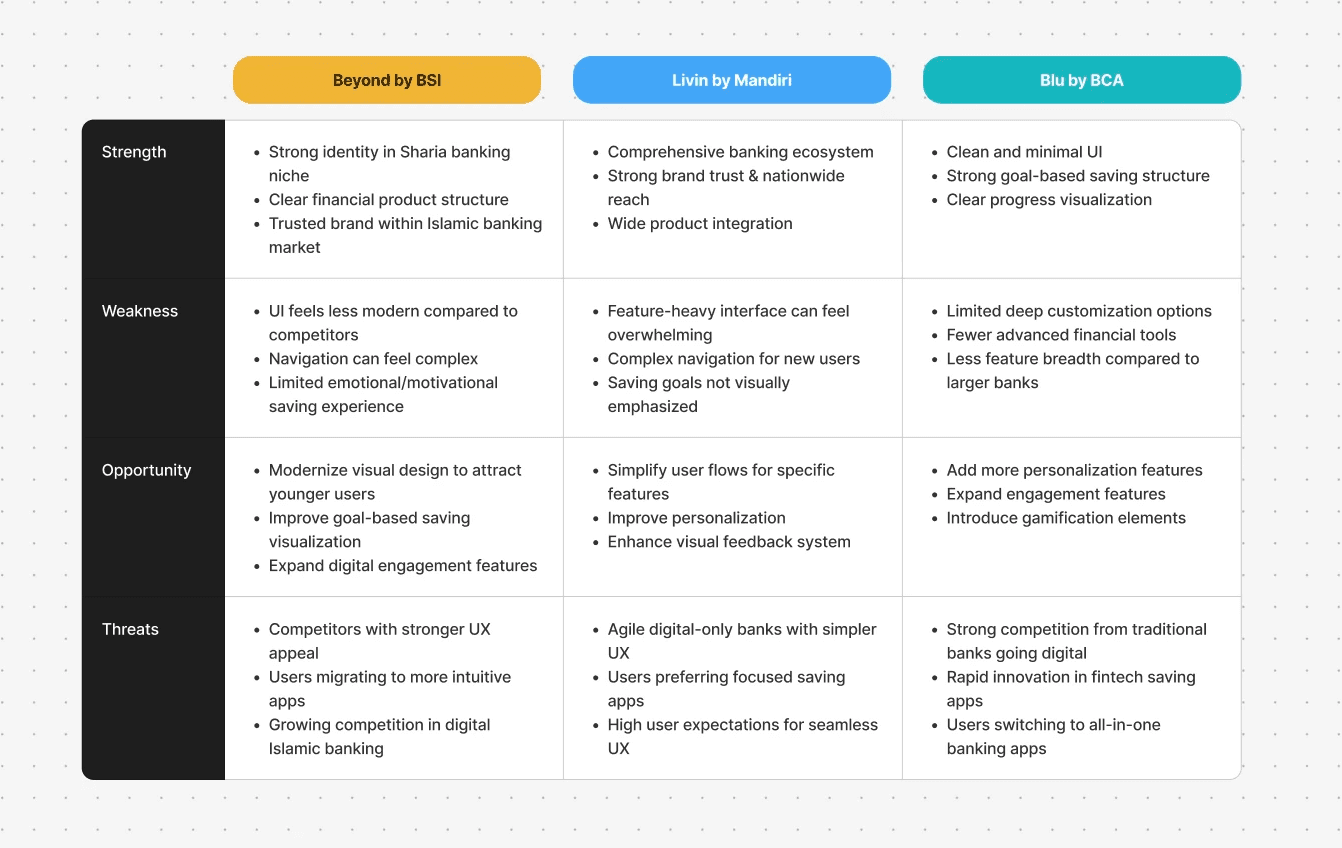
From this analysis, Qitta Saving Plan has the opportunity to:
Combine Blu’s clean goal visualization
Avoid Livin’s feature overload
Improve upon Beyond’s structured but less engaging approach
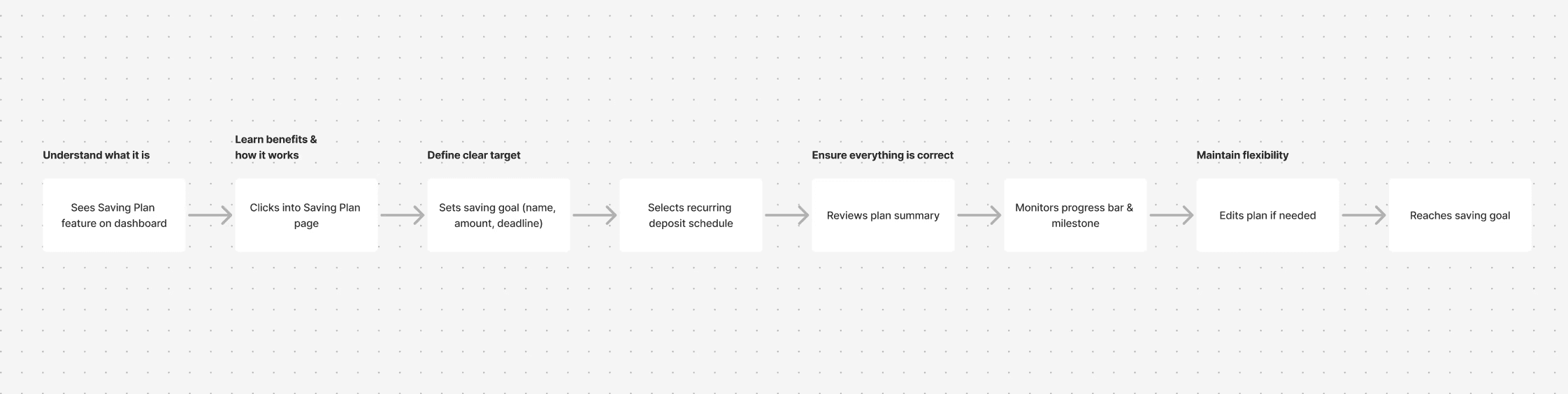
Understanding the User Journey
This section outlines the end-to-end experience of users interacting with Qitta Saving Plan from discovering the feature to successfully achieving their saving goals. It highlights key actions, emotions, and pain points to identify opportunities for a more intuitive and motivating experience.
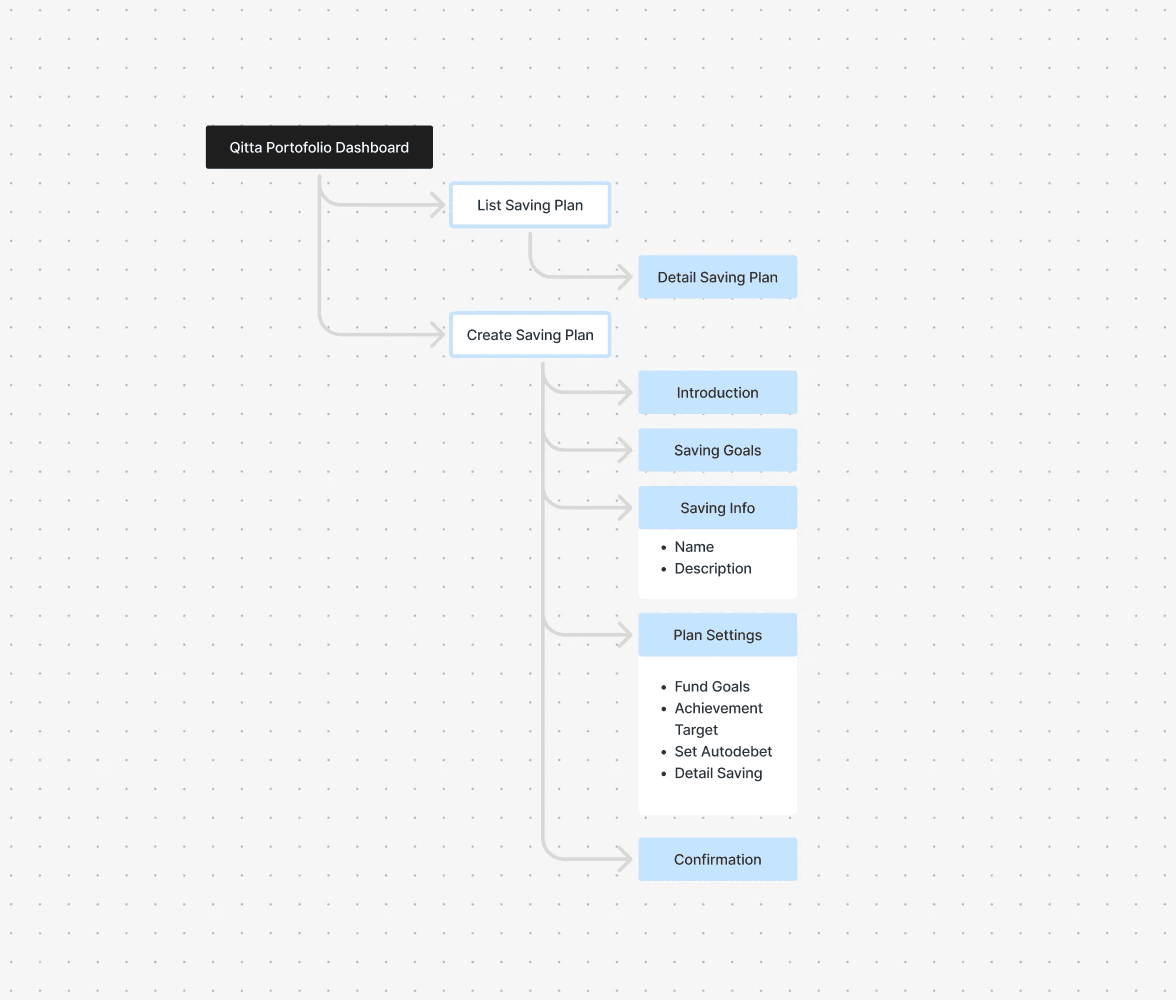
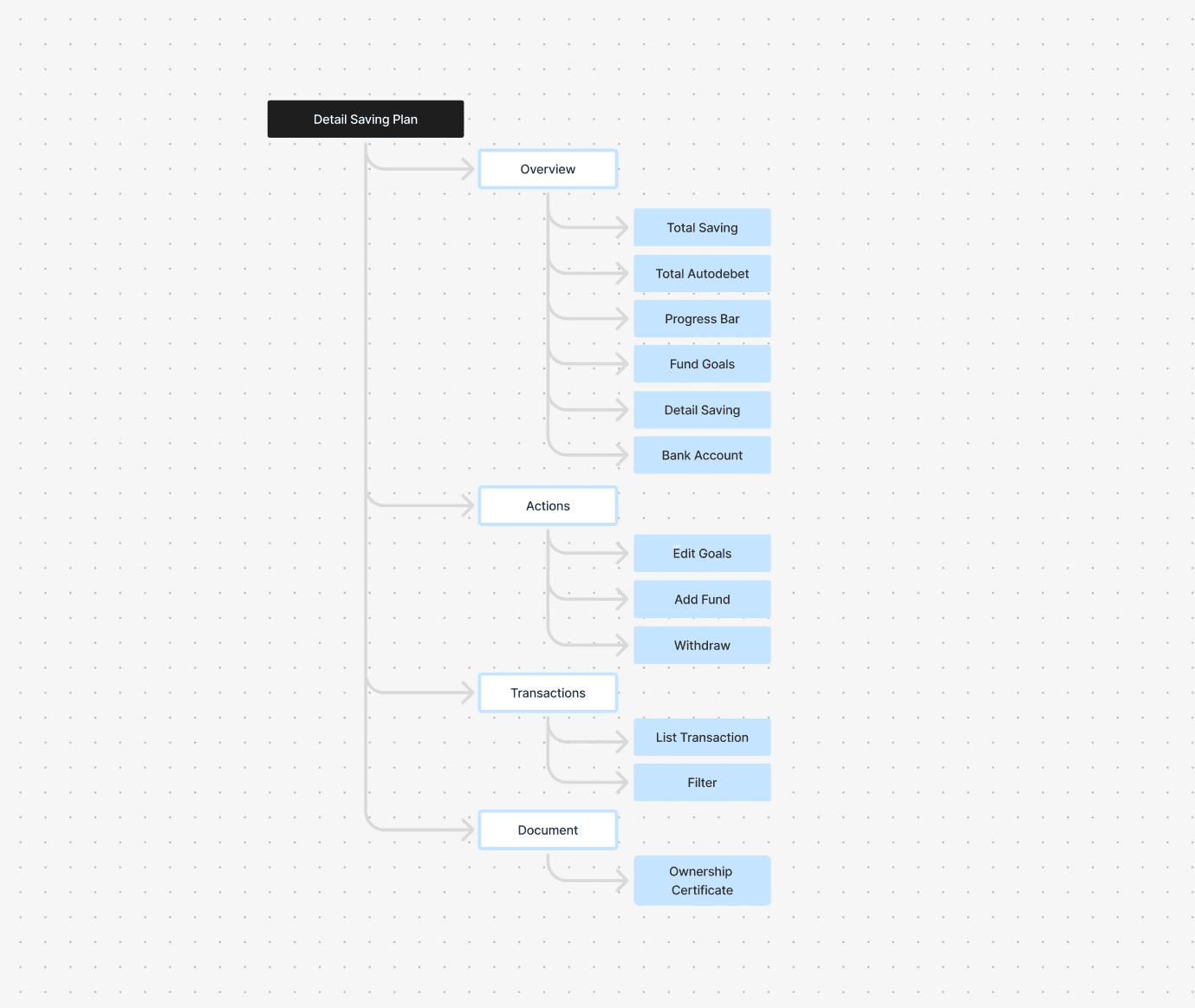
Information Architecture
By organizing the feature into clear and simple levels, the structure focuses on what users need to accomplish rather than overwhelming them with complexity. This approach ensures a saving experience that feels intuitive, structured, and motivating.
User Flow
Key Screens
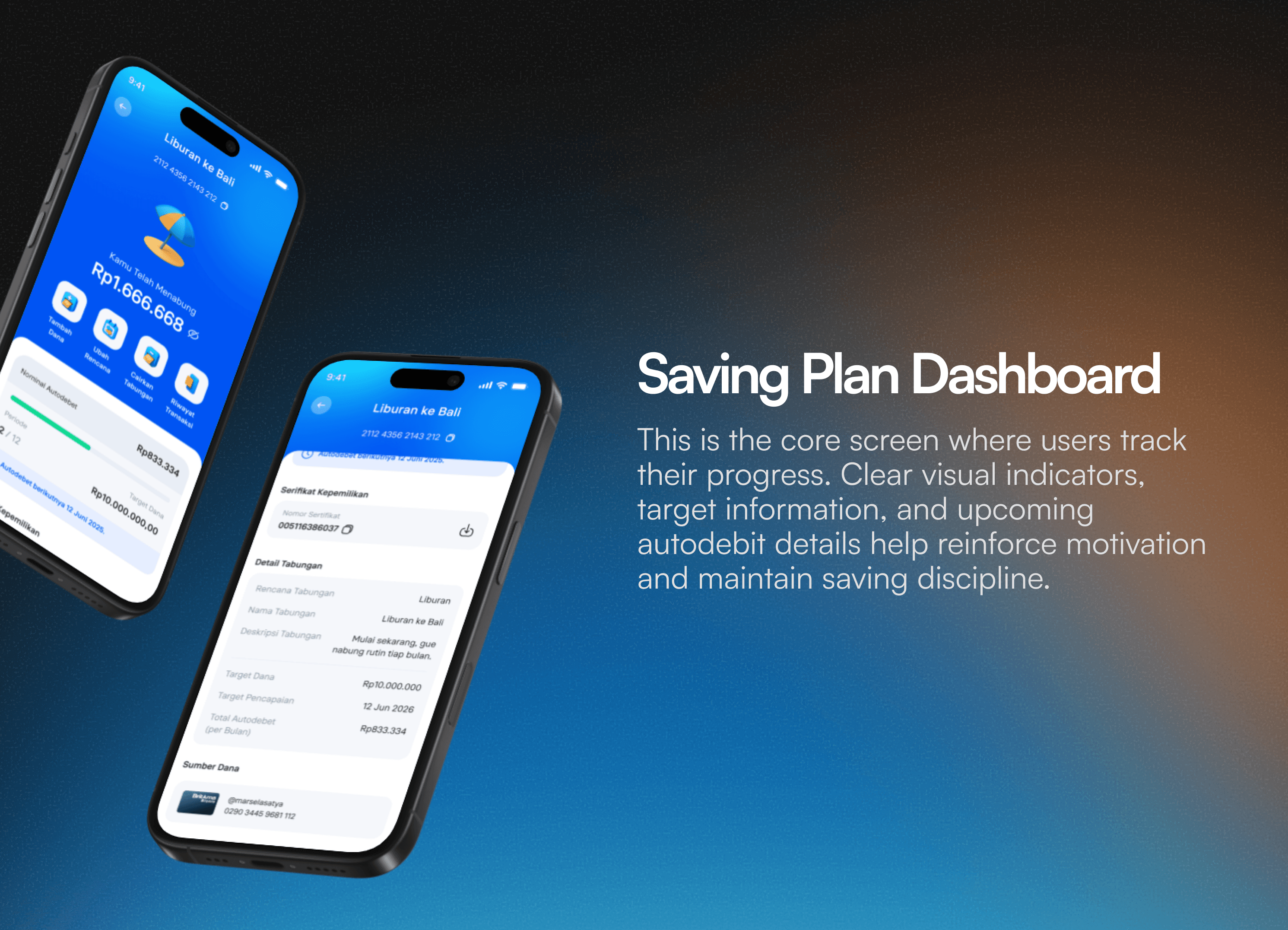
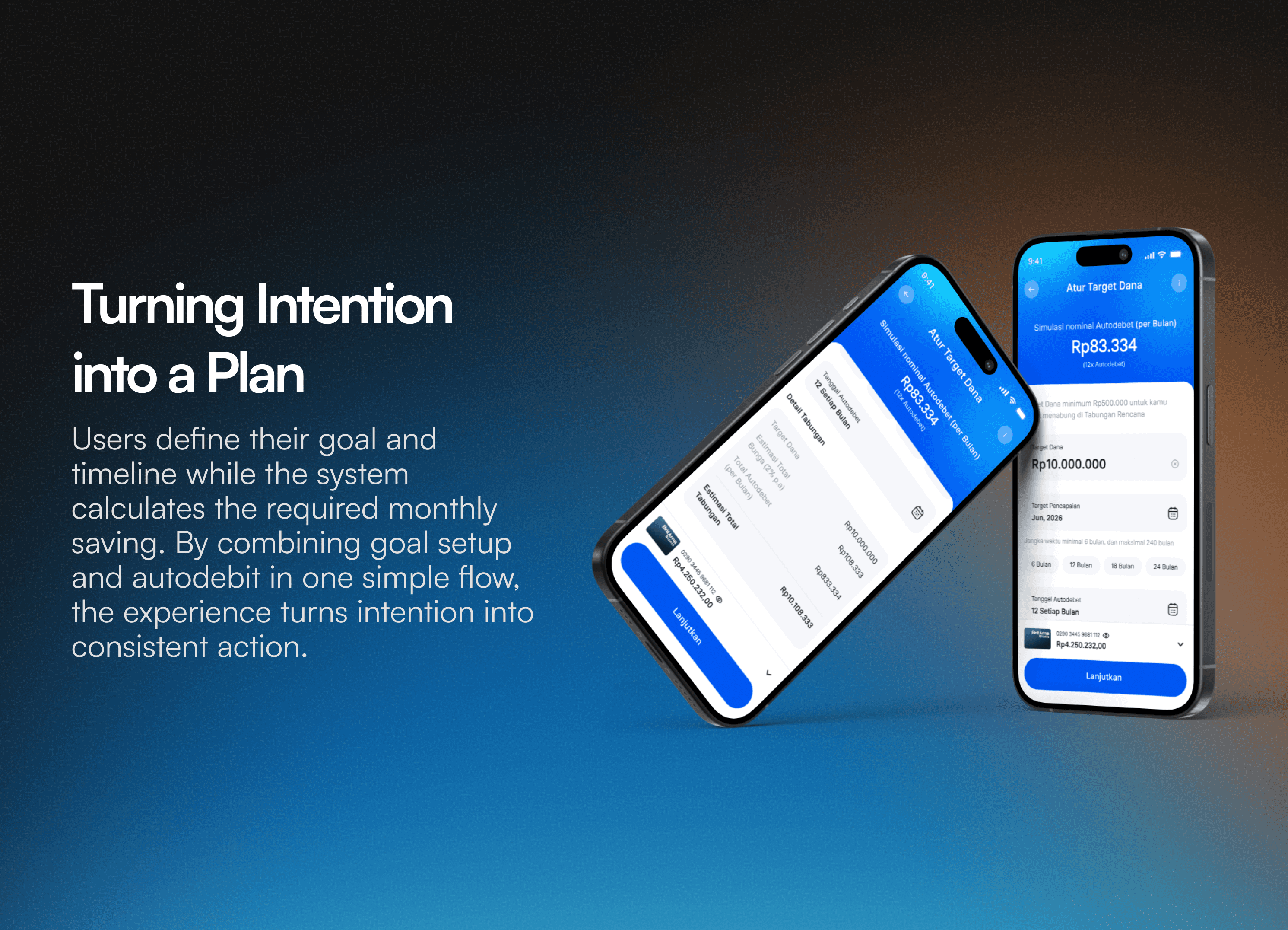
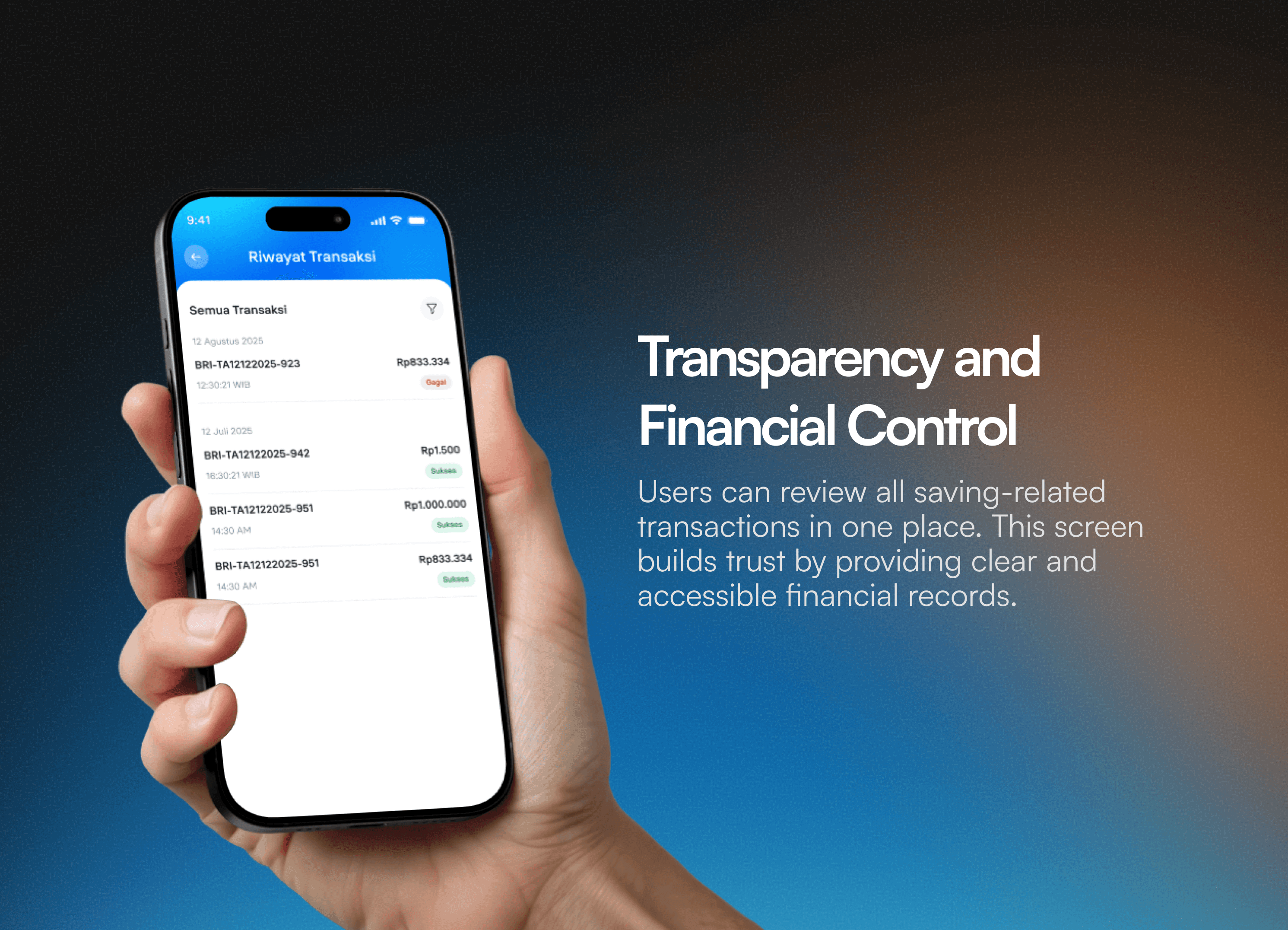
Mockup Previews
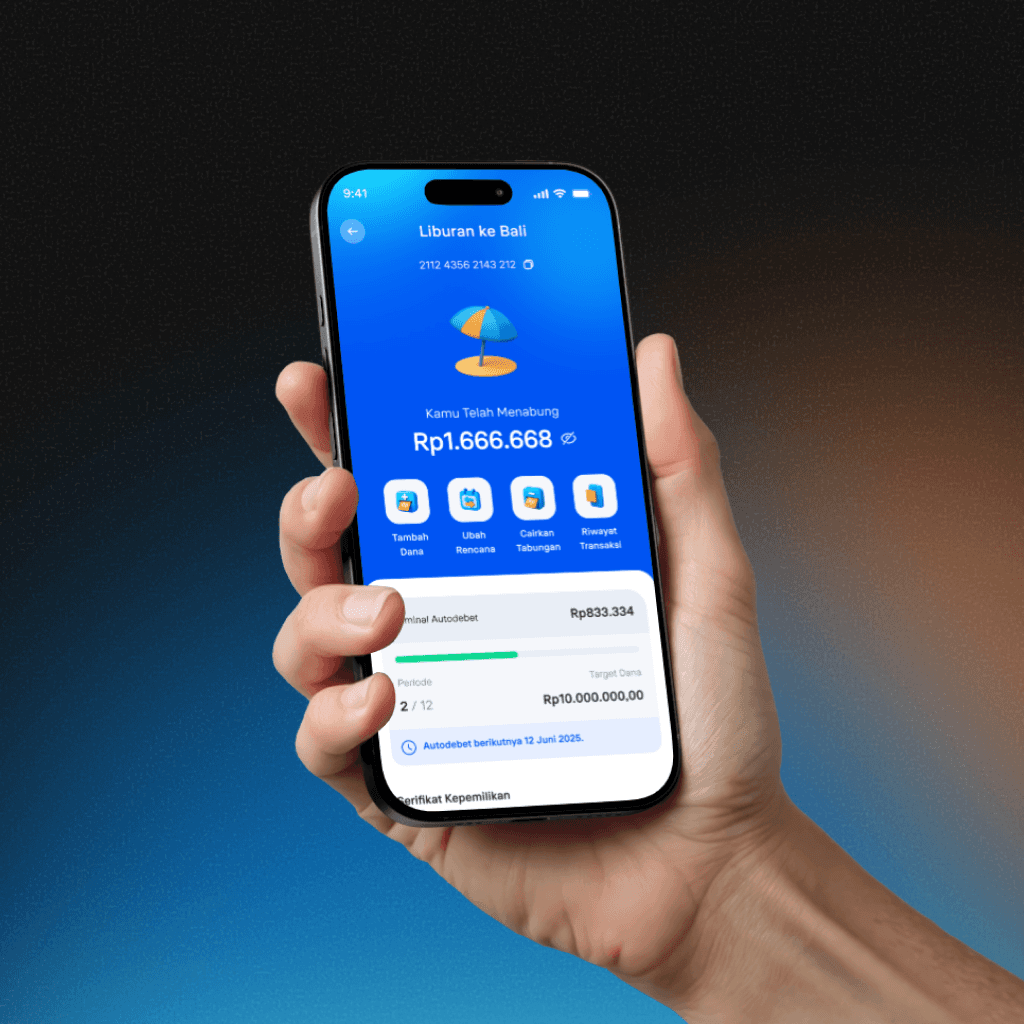
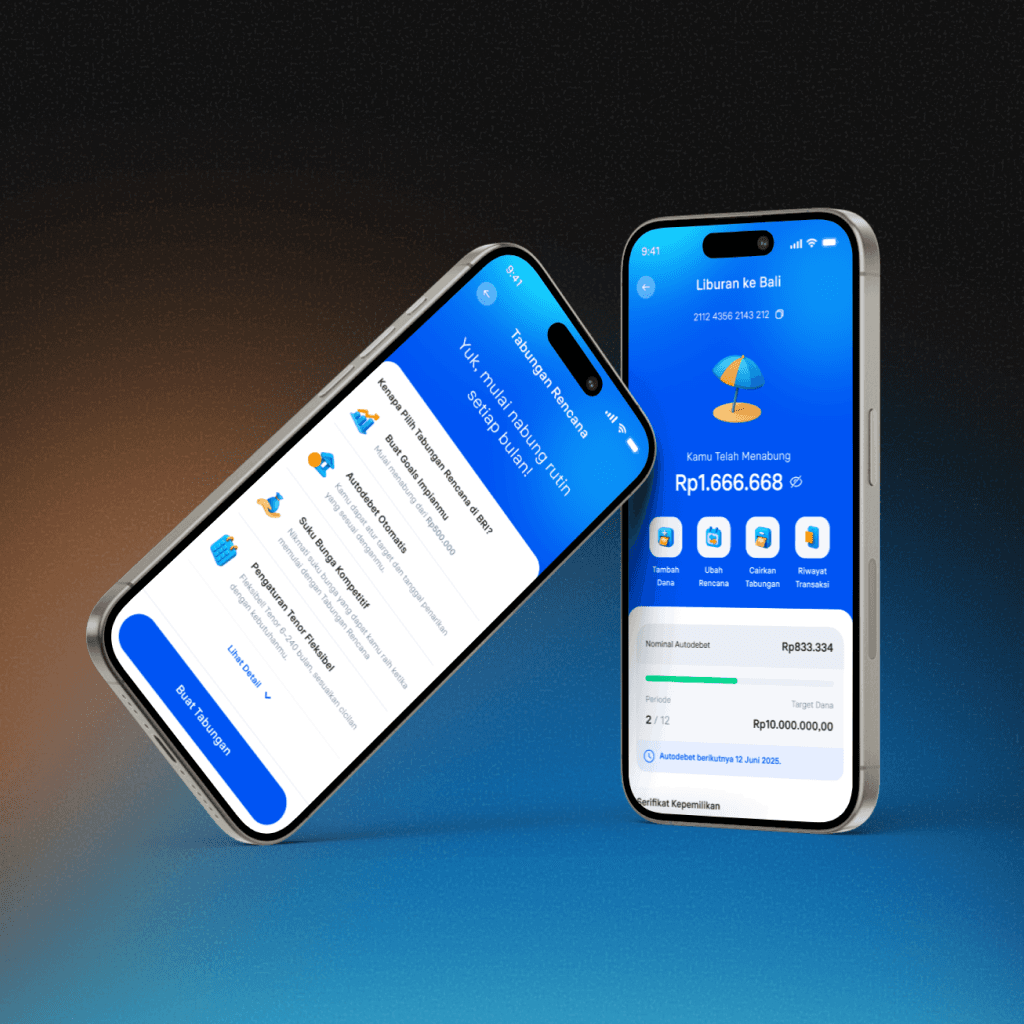
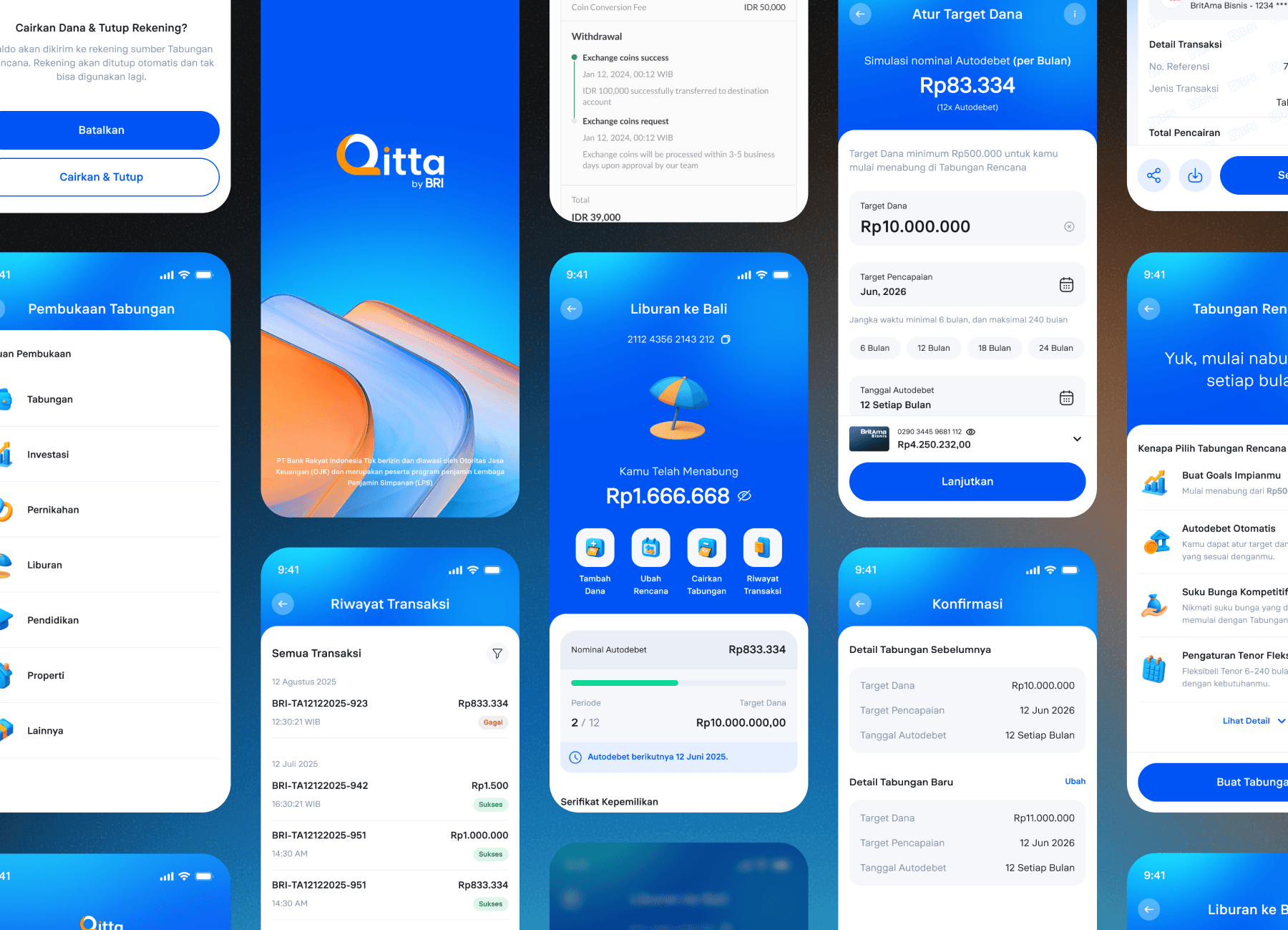
Conclusion
Qitta Saving Plan was designed to turn saving into a more structured, visible, and motivating journey. By combining automation, clear progress tracking, and simple goal setup, the feature helps users build consistent saving habits in a way that feels manageable and rewarding.
Final Outcome
The result is a goal-based saving experience that is intuitive, engaging, and seamlessly integrated into the Qitta ecosystem. Users can easily create plans, monitor progress, and stay motivated through visual feedback and automated deposits.
Lessons Learned
This project taught me that strong design decisions start with deeper research and a better understanding of users. The more we explore user behavior and motivations, the more meaningful and impactful the product becomes.
I also learned the importance of actively seeking feedback from teammates. In a large team environment, collaboration and open discussion help align perspectives and improve the quality of the final outcome.
Presenting to clients for the first time was challenging and nerve-racking. It pushed me to prepare more thoroughly and learn how to stay calm under pressure. Over time, I realized that confidence comes from clarity, preparation, and trusting the design process.